UI/UX law
// Interaction & Speed;
Jakob's Law
Users spend most of their time on other products, so they expect yours to work the same way theirs do.
Mechanism
Why it happens
People transfer mental models from products they already know; matching those models means near-zero learning cost for yours.
Impact
Why it matters
- Unfamiliar interaction patterns force people to learn your product before they can use it
- Convention is free usability. You don't have to teach what people already know
- Novelty has a real cost, so it should be spent only where it adds real value
Example
Without vs. with
All navigation is hidden behind an unlabelled edge-swipe gesture with no visible affordance.
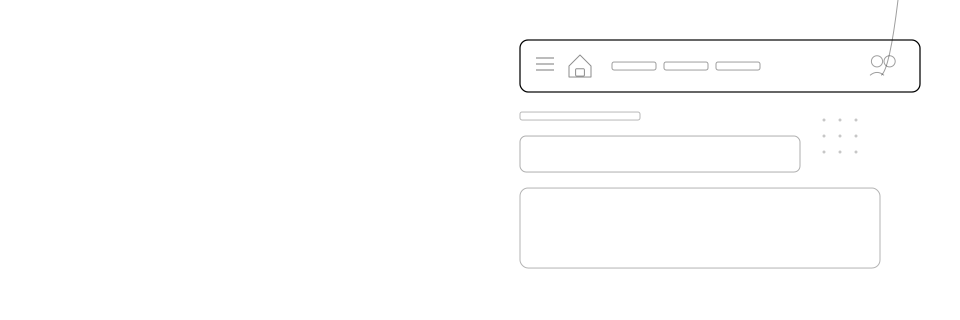
A standard top navigation bar with visible labels, matching how every comparable product organises its sections.
Checklist
How to apply it
Follow platform and category conventions for navigation, icons, and layout unless there's a strong reason not to
Reserve novelty for the parts of the product that are actually differentiated
Pair icons with labels for anything that isn't universally recognised
Test unfamiliar patterns with real users before rolling them out broadly
Where it shows up